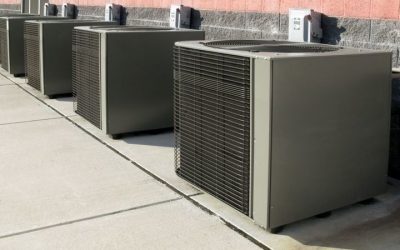
A room addition can change AC installation needs because the home has more square footage, different airflow demands, and added heat load for the cooling system to manage. In Peoria, AZ, where long periods of high heat place heavy demand on air conditioners, new living space should be evaluated before air conditioner installation or AC system installation.
Adding a bedroom, office, sunroom, enclosed patio, guest suite, or expanded living area can make a home more functional. However, it can also change how the entire cooling system performs. A system that worked well before the addition may struggle once the home has more space to cool. Without proper planning, homeowners may experience uneven temperatures, longer run times, higher energy use, and reduced comfort in both the new and existing areas.
Why Does a Room Addition Affect Cooling Needs?
Every room adds a different amount of heat load to the home. Heat load refers to the amount of cooling needed to maintain indoor comfort. It is influenced by square footage, ceiling height, insulation, window placement, sun exposure, wall materials, ductwork, and how the room will be used.
In Peoria, additions with west-facing windows, vaulted ceilings, or large glass doors can gain heat quickly during the afternoon. A home office with computers, lighting, and electronics may also create more indoor heat than a simple storage room. Because each addition is different, AC installation planning should be based on the actual space, not just the number of added square feet.
A proper cooling evaluation helps determine whether the current system can support the new area or whether new AC installation is needed.
Can the Existing AC System Handle the Added Space?
Sometimes an existing AC system may have enough capacity to support a modest addition. Other times, the system may already be near its limit. If the existing unit was sized for the original home layout, adding more space can push it beyond its intended cooling range.
When an AC system is asked to cool more space than it was designed for, it may run longer and still fail to reach the thermostat setting. This can lead to hot rooms, weak airflow, and added strain on major components. Over time, the system may require more service and may not provide consistent comfort during peak summer heat.
Before extending ductwork or planning air conditioner installation, homeowners should have the current system’s capacity, age, condition, and performance reviewed.
Why Proper AC Sizing Matters After a Home Expansion
Proper sizing is one of the most important parts of AC system installation. An undersized unit may run constantly and still leave parts of the home warm. An oversized unit may cool too quickly without removing enough humidity or balancing airflow throughout the home.
Room additions can make sizing more complicated because the home is no longer the same as it was when the original system was installed. A technician may need to review the expanded floor plan, insulation, windows, duct layout, and overall cooling load.
In Peoria homes, sizing should also account for intense summer temperatures and long cooling seasons. The goal is not just to install a larger unit. The goal is to match the equipment to the updated home so the system can cool efficiently and evenly.
How Ductwork Can Limit Cooling in a New Room
Even if the AC unit has enough capacity, ductwork may limit comfort in the addition. Existing ducts may not be designed to carry air to the new space. Extending ducts without evaluating airflow can reduce performance in other rooms.
If ducts are too small, too long, poorly sealed, or routed through hot attic spaces, the new room may not receive enough cool air. At the same time, existing rooms may lose airflow because the system is now trying to serve a larger area.
Duct design should be reviewed during AC installation planning. In some cases, duct modifications, zoning, return air improvements, or a separate cooling option may be recommended to help balance comfort.
What Role Does Insulation Play in AC Installation?
Insulation has a major effect on cooling performance. A room addition with poor insulation can gain heat quickly and place more pressure on the AC system. Walls, ceilings, attic areas, and window quality all influence how much cooling the room requires.
A well-insulated addition can help the cooling system perform more effectively. It can also reduce temperature swings and make the new space more comfortable during Peoria’s hottest months.
Before new AC installation, homeowners should make sure the addition is properly sealed and insulated. Cooling equipment alone cannot overcome major insulation gaps without increased run time and energy use.
Should a Room Addition Use the Main AC or a Separate System?
The best cooling option depends on the size, layout, and use of the addition. Some rooms can be connected to the main ducted system if the existing equipment and ductwork can support the added load. Larger additions, detached spaces, converted garages, or rooms with heavy sun exposure may need a separate solution.
A separate system can sometimes provide better temperature control for a new space, especially if the room is used at different times than the rest of the home. However, every home is different. AC system installation should consider comfort goals, equipment capacity, energy use, and long-term maintenance needs.
What Should Homeowners Plan Before Installation?
Before installing or modifying a cooling system for a room addition, homeowners should gather important details about the project. This includes the size of the addition, ceiling height, window direction, insulation levels, electrical access, ductwork location, and intended room use.
Planning early can help avoid rushed decisions after construction is complete. It also helps prevent problems such as blocked duct routes, limited equipment access, or electrical panel concerns.
For Peoria homeowners, AC installation should be part of the room addition planning process, not an afterthought. Cooling design works best when it is considered before walls, ceilings, and finishes are completed.
Build the New Space Without Cooling Setbacks
A room addition should improve comfort, not create hot spots or system strain. Before extending ductwork or planning new equipment, schedule guidance from a trusted AC installation company to review sizing, airflow, insulation, and cooling goals. Smart AC installation planning helps Peoria homeowners protect comfort, reduce strain, and support reliable performance in every part of the home.