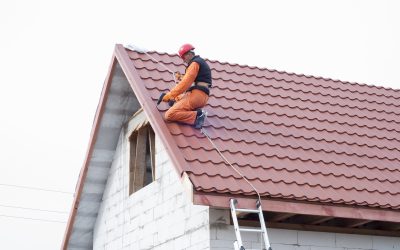
Roof pitch plays a major role in determining which roofing materials and installation methods work best for homes in Arizona. In areas like Surprise, AZ, where roofs are exposed to intense sunlight, high temperatures, strong winds, and seasonal monsoon storms, the angle of a roof directly impacts durability, drainage, energy efficiency, and long-term maintenance needs.
For homeowners planning a new roof or considering roof replacement services, understanding roof pitch is essential before choosing materials or scheduling installation work. Different roof styles perform differently depending on the slope, climate conditions, and overall structure of the home.
What Is Roof Pitch?
Roof pitch refers to the steepness or angle of a roof. It is commonly expressed as a ratio that compares vertical rise to horizontal distance. For example, a roof that rises six inches for every twelve inches of horizontal run is considered a 6:12 pitch.
In Arizona residential construction, roof pitch varies depending on architectural design, drainage needs, and roofing material requirements. Some homes have low-slope roofs, while others feature steep rooflines designed for specific styles or weather protection.
The pitch of a roof influences how water drains, how heat affects the structure, and which roofing materials can perform effectively over time.
Why Roof Pitch Matters in Arizona
Arizona’s climate creates unique challenges for residential roofing systems. Roof pitch affects how a roof responds to heavy rain, debris accumulation, UV exposure, and heat retention.
Low-slope roofs may allow debris and water to collect more easily during monsoon storms, increasing the importance of drainage systems and maintenance. Steeper roofs often provide faster water runoff but may experience higher wind exposure during severe weather.
Roof pitch also affects energy efficiency. Certain roof angles absorb more sunlight throughout the day, which can increase attic temperatures and place more stress on cooling systems during Arizona summers.
Because of these factors, residential roofing contractors carefully evaluate roof pitch before recommending roof installation services or replacement materials.
Low-Slope Roofs and Installation Considerations
Low-slope roofs are common in Arizona homes because they complement many Southwestern architectural styles. However, these roof systems require specialized materials and installation methods to prevent moisture intrusion.
Drainage Performance
One of the biggest concerns with low-slope roofs is water drainage. During monsoon season, heavy rain can collect more easily on flatter surfaces if drainage systems become clogged or damaged. Pooling water increases the risk of leaks, roof membrane deterioration, and structural weakening.
Material Selection
Not all roofing materials are suitable for low-slope roofs. Traditional shingles may not provide adequate water protection on flatter surfaces. Contractors often recommend foam systems, modified bitumen, or specialized membrane systems designed for low-slope performance.
Maintenance Needs
Low-slope roofs often require more frequent inspections because debris accumulation can go unnoticed from ground level. Routine maintenance helps prevent drainage problems and extends roof lifespan.
Steep-Slope Roofs and Residential Roofing Performance
Steeper roof pitches offer several advantages for Arizona homes, especially in areas prone to monsoon storms and heavy winds.
Improved Water Runoff
Steep roofs allow rainwater to drain quickly, reducing the likelihood of standing water and moisture penetration. This helps lower the risk of leaks and water-related roof damage over time.
Better Ventilation Potential
Homes with steeper rooflines often have more attic space, which can improve ventilation and airflow. Proper ventilation is important in Arizona because excessive attic heat can shorten roof lifespan and reduce energy efficiency.
Material Flexibility
Steeper roof pitches support a wider range of roofing materials, including asphalt shingles, tile systems, and metal roofing products. Homeowners often have more flexibility when choosing materials that match their home’s style and long-term durability goals.
Wind Exposure
While steep roofs improve drainage, they may experience greater wind pressure during severe storms. Professional roof installation services ensure materials are secured correctly to withstand Arizona wind conditions.
How Roof Pitch Affects Roof Replacement Services
Roof replacement services involve more than simply removing old materials and installing new ones. Contractors must evaluate the roof’s pitch to determine structural requirements, safety considerations, and material compatibility.
Installation Complexity
Steeper roofs typically require additional safety equipment and installation time, which can affect project costs and timelines. Low-slope roofs may require specialized waterproofing systems to prevent future leaks.
Structural Support
Some roofing materials are heavier than others. Tile roofs, for example, may require stronger structural support depending on the roof’s pitch and overall framing system. Contractors assess the structure carefully before installation begins.
Energy Efficiency Planning
Roof pitch affects sun exposure and attic ventilation, both of which influence energy efficiency. Residential roofing contractors often recommend ventilation improvements during roof replacement projects to improve indoor comfort and reduce cooling costs.
Choosing the Right Roofing Material for Your Roof Pitch
Different roofing materials perform better on certain roof pitches. Selecting compatible materials helps improve durability, drainage performance, and weather resistance.
Asphalt Shingles
Asphalt shingles work best on moderate to steep roof slopes where water can drain efficiently. They are commonly used because of affordability and design flexibility.
Tile Roofing
Tile systems perform well on steeper roofs and provide strong resistance against Arizona heat. However, their weight requires proper structural support.
Metal Roofing
Metal roofs work well on both low-slope and steep-slope systems when installed properly. They offer excellent durability, reflect sunlight effectively, and resist weather-related damage.
Foam Roofing Systems
Foam systems are commonly used on low-slope roofs because they create seamless waterproof surfaces that help reduce leak risks.
The Importance of Professional Roof Installation Services
Because roof pitch affects every aspect of a roofing system, working with experienced residential roofing contractors is essential. Professional contractors evaluate drainage, structural integrity, ventilation, and material compatibility before beginning installation.
Proper installation techniques help prevent future issues such as leaks, premature wear, poor ventilation, and storm-related damage. Contractors also ensure roofing systems meet local building requirements and perform effectively in Arizona’s climate.
Homeowners who invest in professional roof installation services often experience better long-term performance, fewer repairs, and improved energy efficiency.
Choose the Right Roof System Before Arizona Weather Causes Costly Problems
Arizona homes face constant exposure to extreme heat, strong winds, and seasonal storms, making roof design more important than many homeowners realize. Roof pitch directly impacts drainage, durability, maintenance, and energy efficiency over time. Protect your property with trusted roof installation services designed to support long-lasting residential roofing systems built for Surprise’s demanding desert climate.