Takeaway:
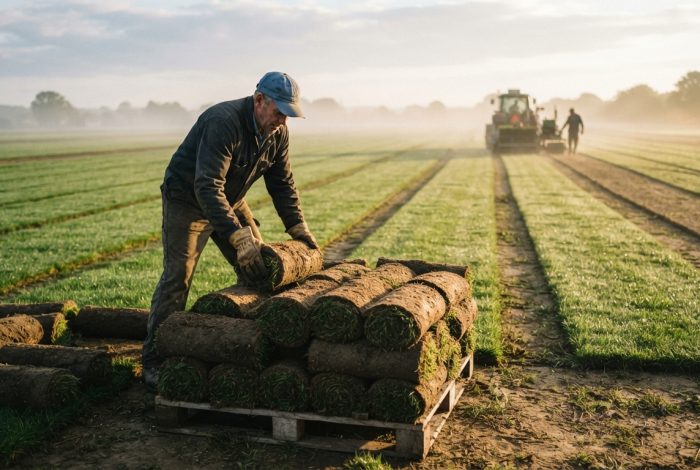
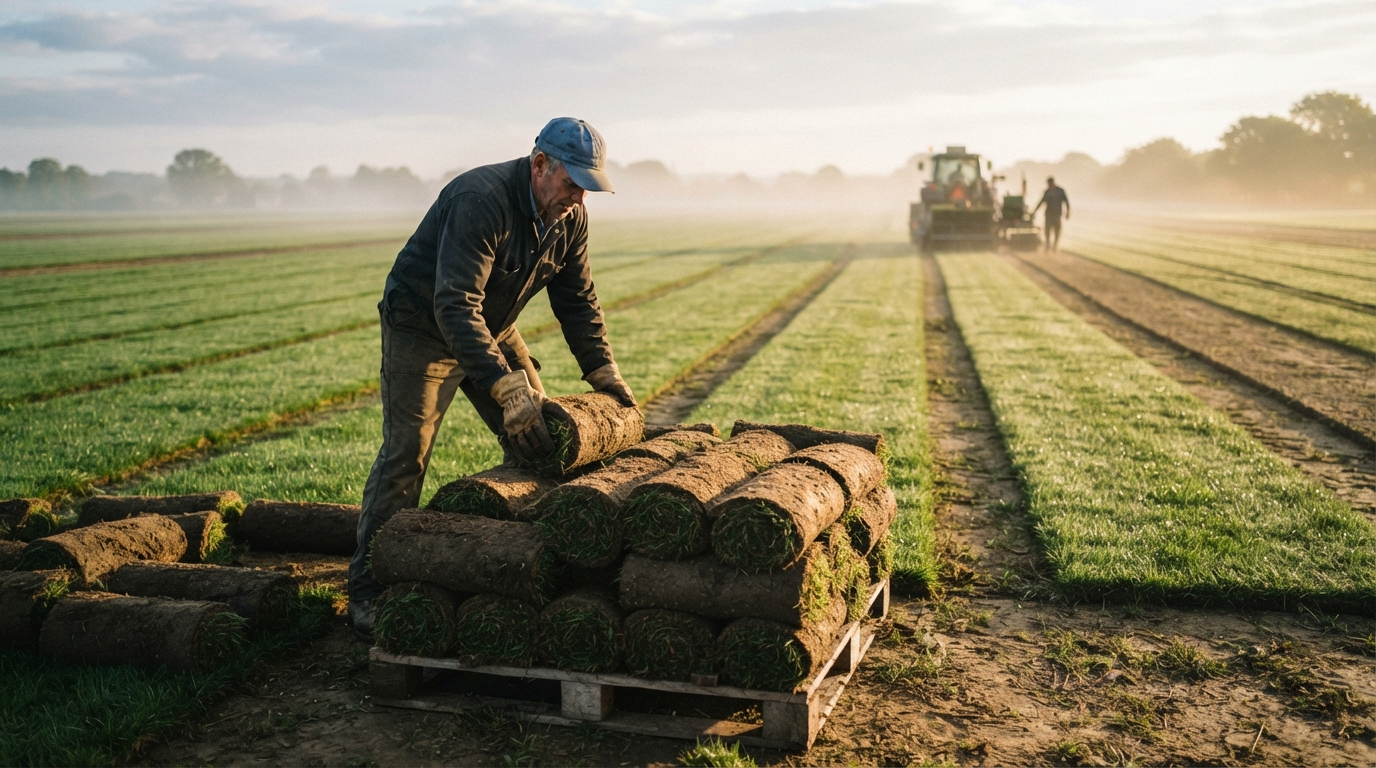
• Buying turf directly from a wholesale sod farm reduces handling time, which helps preserve root moisture and overall sod quality.
• Freshly harvested sod establishes faster than turf that has passed through multiple retail distribution points.
• Sourcing locally grown sod varieties suited to Little Rock, AR conditions reduces the risk of poor establishment after installation.
Turf sourced directly from a wholesale sod farm typically reaches installation sites faster and in fresher condition than sod purchased through multiple retail intermediaries. This matters because sod is a perishable product: once harvested, it begins losing moisture and can suffer root damage if stored too long before laying. Buyers who cut out extra distribution steps generally get a more viable, better-rooted product on delivery.
Why Harvest-to-Install Timing Matters
Sod is live grass with an exposed root system, and that root system is vulnerable the moment it leaves the ground. Extended time in transit or storage increases heat stress, moisture loss, and the likelihood of yellowing before it ever reaches the lawn.
• Sod cut and delivered within a short window retains more root moisture.
• Shorter supply chains reduce the number of times pallets are handled and restacked.
• Fresher turf is less prone to matting or fungal issues before installation.
Because of these factors, timing between harvest and installation is one of the more practical quality indicators buyers can evaluate when comparing turf sources.
Grass Varieties and Regional Suitability
Not every turfgrass variety performs the same way across different soil types, rainfall patterns, and summer heat levels. Selecting a variety suited to local growing conditions is one of the more important decisions in any sod project, particularly in regions with hot, humid summers.
Growing and establishing new lawns in Arkansas requires attention to soil preparation, mowing height, and watering schedules appropriate to the chosen grass type, according to University of Arkansas System Division of Agriculture extension guidance. Matching turf variety to regional climate reduces the likelihood of thinning, disease pressure, or dormancy issues after installation in areas like Little Rock, AR.
Wholesale vs. Retail Sourcing: What Changes
Buyers evaluating sod options often compare wholesale and retail channels on more than price alone. Freshness, volume flexibility, and consistency of supply tend to differ meaningfully between the two.
| Factor | Wholesale Sourcing | Retail Sourcing |
| Typical time from harvest to delivery | Shorter, often same-day or next-day | Longer, due to added distribution steps |
| Volume flexibility | Suited to large-area or bulk projects | Often limited to smaller retail pallet quantities |
| Variety selection | Tends to reflect regionally grown stock | May be limited to what a retailer stocks |
| Price structure | Generally priced per pallet or bulk unit | Often marked up for smaller-quantity retail sales |
This comparison is general and can vary by supplier, season, and order size, but it illustrates why bulk buyers such as landscapers, builders, and large property owners often prioritize direct sourcing.
Practical Considerations Before Ordering
A few planning steps can reduce the chance of installation problems regardless of where turf is sourced.
1. Measure the project area accurately, including irregular edges, to avoid under-ordering.
2. Confirm the grass variety is appropriate for the site’s sun exposure and soil drainage.
3. Schedule installation as close to delivery as possible, ideally within 24 hours.
4. Prepare the soil bed, including grading and light irrigation, before sod arrives.
Based in Portland, AR, Spring Valley Sod Farm grows and supplies turf to customers throughout Little Rock, AR, with sourcing decisions shaped by regional soil and climate conditions rather than generic nationwide recommendations.
Frequently Asked Questions
How long can sod sit before it needs to be installed? Sod generally should be installed within 24 to 48 hours of harvest, since extended time on a pallet increases heat buildup and root drying.
Does wholesale sod cost less than retail sod? Pricing varies by supplier and order size, but bulk or pallet-level purchases from a direct source often carry lower per-unit costs than small retail quantities.
What grass types grow well in the Little Rock, AR area? Variety selection depends on sun exposure, soil type, and drainage, and regional extension resources can help identify options suited to local conditions.
Can homeowners buy from a wholesale sod farm, or is it businesses only? Many sod farms work with both large-volume buyers like landscapers and individual homeowners, though order minimums can vary by supplier.
Turf grown and distributed by Spring Valley Sod Farm is based in Portland, AR and supplied to surrounding service areas.