
Grout lines in office break rooms often become darker more quickly than the surrounding tile because they are regularly exposed to food spills, drinks, moisture, cleaning chemicals, and repeated foot traffic. Unlike many tile surfaces, grout is more porous and textured, allowing dirt and residue to settle into small openings that ordinary mopping may not completely remove.
Dark grout does not necessarily mean a workplace has poor cleaning habits. Break rooms experience more spills and moisture than many other office spaces, making their tiled floors harder to maintain. Knowing what contributes to the discoloration can help facility managers improve their cleaning routines and determine when the grout needs professional attention.
Why Does Grout Collect More Dirt Than Tile?
Tile and grout have different surface characteristics. Ceramic and porcelain tiles typically have smooth surfaces that resist absorbing liquids, while cement-based grout has a more porous texture that can hold dirt and moisture.
When something spills on the floor, it may be easy to wipe off the tile. However, some of the liquid can settle into the grout joints, particularly when the grout is unsealed, worn, cracked, or uneven.
This is why tile can continue looking relatively clean while the lines between the tiles gradually turn dark. The difference is often more noticeable when light-colored grout is paired with white, beige, or reflective tile.
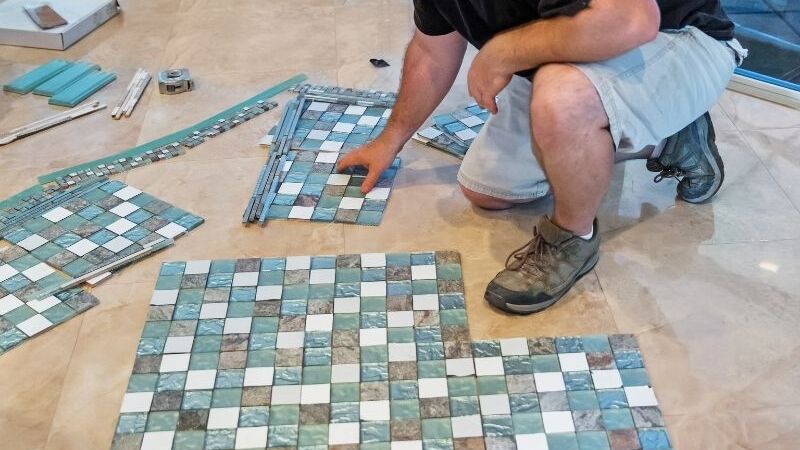
The original tile flooring installation can also influence how easy the floor is to maintain. Proper grout depth, consistent spacing, adequate curing, and the correct sealing process all contribute to the long-term condition of the tiled surface.
How Do Coffee, Food, and Other Spills Stain Grout?
Office break rooms regularly experience spills from coffee, tea, soft drinks, sauces, cooking oils, and leftover food. Even minor drips can spread across the tile and settle into the surrounding grout lines.
Sugary drinks and oily substances may leave behind a sticky layer that attracts dust and dirt. Dark beverages, including coffee and tea, can also leave noticeable marks when spills are not cleaned before they dry.
Repeated exposure can make the problem more visible. A single spill may not cause significant discoloration, but frequent drips around a coffee maker, sink, or counter can gradually change the appearance of the same grout joints.
Using washable floor mats near beverage stations and wiping up spills as soon as possible can help limit residue. However, mats should be washed and dried regularly to prevent trapped moisture from affecting the tile underneath.
Can Regular Mopping Leave Grout Looking Dirty?
Mopping helps remove everyday dirt from office floors, but it may not effectively clean debris trapped inside recessed grout joints. Depending on the cleaning method, dirty water can also move across the tile and settle into the grout instead of being completely removed.
Excessive cleaning solution can create another problem. When too much product is applied or the floor is not rinsed correctly, leftover cleaner may dry into a thin film. This residue can attract additional dirt, causing grout lines to darken again shortly after mopping.
To reduce buildup, cleaning teams should use properly diluted products, replace dirty mop water regularly, and follow the manufacturer’s instructions. They should also avoid mixing different cleaning chemicals because certain combinations can damage flooring materials or produce harmful reactions.
Why Is Moisture a Common Problem Around Break Room Appliances?
Break rooms have several potential sources of moisture, including sinks, refrigerators, dishwashers, ice makers, and water dispensers. Leaking connections, condensation, dripping beverages, and wet shoes can leave nearby grout damp more frequently than floors in other office areas.
When grout stays wet, it can collect and hold dirt more easily. Repeated water exposure through damaged or cracked joints may also allow moisture to reach the material underneath the tile.
A dark patch that continues appearing near an appliance or plumbing fixture should be inspected. Applying stronger cleaning chemicals repeatedly may not solve the problem if an ongoing leak or moisture source is responsible.
Discoloration caused by surface dirt may respond to deeper cleaning. However, darkening associated with damaged grout, persistent moisture, or issues beneath the tile may require repairs and correction of the source.
How Does Heavy Foot Traffic Contribute to Dark Grout Lines?
Office break rooms usually have a smaller floor area than the rest of the workplace, so employees tend to walk along the same routes throughout the day. Common paths include the entrance, refrigerator, sink, microwave, dining tables, and trash bins.
Shoes can bring in dust, food particles, oils, and moisture from other parts of the building. As employees repeatedly walk through these areas, the same grout joints receive more dirt and wear than less frequently used sections.
The pattern of discoloration can help identify its likely cause. Dark lines along common walking paths may indicate tracked-in soil, while isolated dark spots near sinks or refrigerators may be connected to spills, leaks, or condensation.
Can Poor Installation Contribute to Dark or Uneven Grout?
The quality of the original flooring installation can affect how grout performs over time. Improperly finished joints, excessive grout depth, inadequate curing, or grout that is not suitable for the tile spacing may create areas where dirt collects more easily.
The size and layout of the tiles can also influence maintenance. Smaller tiles have more grout joints, which means a larger amount of grout is exposed to spills and daily foot traffic. Larger tiles generally have fewer joints, although their grout lines still need proper installation and regular care.
Areas around cabinets, appliances, plumbing openings, and wall edges also require careful finishing. Uneven joints and gaps that have not been properly sealed can collect residue and make routine cleaning more difficult.
These installation details are worth considering when designing a new break room or replacing an older floor that has become challenging to maintain.
When Does Dark Grout Need Repair Instead of Cleaning?
Some grout discoloration cannot be corrected with ordinary cleaning. Cracks, crumbling sections, loose grout, persistent dampness, and separation along tile edges may indicate that the material needs repair or replacement.
Other warning signs include hollow sounds beneath the tiles, recurring moisture, or movement when someone walks across the floor. These conditions may point to problems with the tile bonding or underlying surface. Applying fresh grout or sealant without addressing the cause may only cover the visible symptoms.
Before choosing a solution, facility managers should determine whether the discoloration comes from accumulated dirt, permanent staining, water damage, or physical deterioration. Understanding the condition of the grout helps avoid unnecessary cleaning and makes it easier to decide whether repairs or replacement are needed.
How to Keep Commercial Break Room Tile Floors Cleaner
Break room grout needs consistent maintenance because of its exposure to spills, food residue, moisture, and concentrated foot traffic. A few adjustments to the cleaning routine can help slow down discoloration and prevent dirt from building up.
Consider these maintenance practices:
- Clean beverage and food spills as soon as they happen.
- Use the correct amount of floor cleaning solution.
- Replace dirty mop water instead of spreading it across the floor.
- Keep mats near coffee stations and sinks clean and dry.
- Inspect grout around appliances and plumbing fixtures for moisture.
- Check for cracks, loose sections, and other signs of deterioration.
Regular inspections can also help identify problem areas before the discoloration becomes widespread. If grout continues to darken despite consistent cleaning or shows signs of water damage, a professional assessment can help determine the appropriate next step.